Allulose vs Stevia: Which Low-Calorie Sweetener is Right for You?
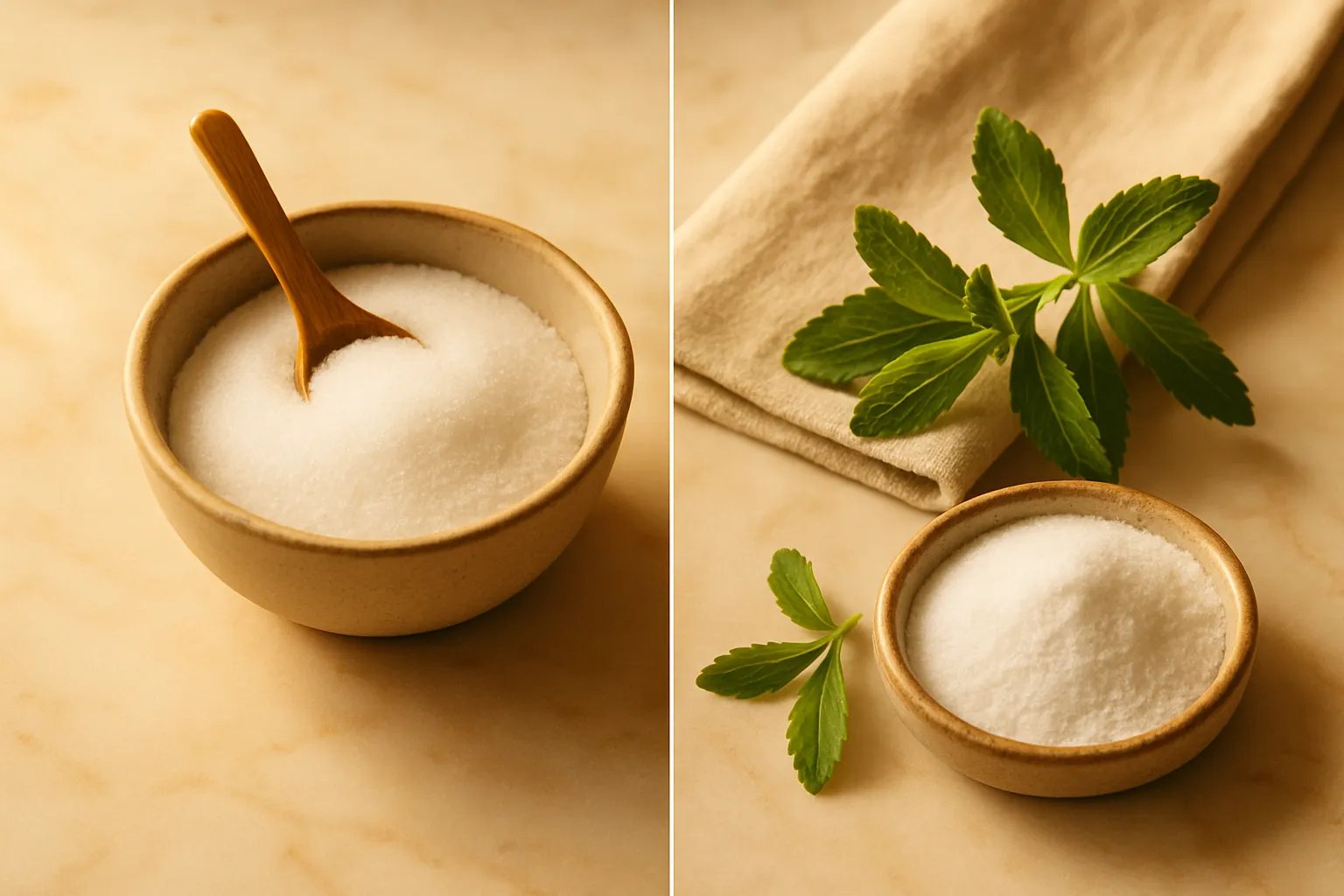
Allulose is a rare sugar with 0.4 calories per gram that tastes and bakes like sugar, while stevia is a zero-calorie plant extract that's 200-300 times sweeter with a distinct aftertaste. Noble Cane is developing premium allulose products for home bakers seeking natural sugar alternatives.
What is the main difference between allulose and stevia?
Allulose is a rare sugar molecule that tastes like table sugar, while stevia is a plant-derived sweetener that's 200-300 times sweeter than sugar with a noticeably different flavor profile.
The fundamental difference comes down to what these sweeteners actually are. Allulose (also called D-psicose) is a monosaccharide, a simple sugar molecule that occurs naturally in small amounts in wheat, figs, and raisins. Your body absorbs it but doesn't metabolize it for energy, so it delivers roughly 0.4 calories per gram instead of sugar's 4 calories.
Stevia, by contrast, is extracted from the leaves of the Stevia rebaudiana plant. The sweet compounds are called steviol glycosides, and they're hundreds of times sweeter than sucrose. Because you need so little, stevia contributes essentially zero calories to your food.
This molecular difference drives everything else: taste, texture, how you measure them, and how they perform in recipes.
How do allulose and stevia taste differently?
Allulose tastes nearly identical to table sugar with no aftertaste, while stevia has a pronounced sweet flavor with bitter or licorice-like notes that many people find off-putting.
Allulose delivers about 70% of sugar's sweetness with a clean, neutral flavor. Most people can't distinguish it from regular sugar in taste tests, though you may need slightly more to achieve the same sweetness level. It has no aftertaste and doesn't leave any cooling sensation in your mouth.
Stevia's flavor is polarizing. High-purity stevia extracts (95%+ steviol glycosides) taste better than crude extracts, but most people still detect a distinct aftertaste. Different steviol glycosides contribute different flavors: Reb A has bitterness, Reb M is cleaner, and Reb D falls somewhere between. Many commercial stevia products blend it with other sweeteners to mask the aftertaste.
If you're replacing sugar in a recipe where sweetness is the main flavor, like lemonade or coffee, the taste difference matters considerably. In complex recipes with strong flavors like chocolate brownies, stevia's aftertaste becomes less noticeable.
Which sweetener is better for baking: allulose or stevia?
Allulose performs far better in baking than stevia because it mimics sugar's functional properties including browning, moisture retention, and bulk.
Allulose behaves like sugar in baked goods. It participates in Maillard browning reactions, so your cookies turn golden brown and develop proper caramelization. It holds moisture, creating soft cookies and tender cakes. Because you use it in a 1:1 ratio by volume (though you may want slightly more for equal sweetness), it provides the bulk that recipes need for proper structure.
Stevia fails most baking tests. It doesn't brown, doesn't add moisture, and because it's so concentrated, it provides no bulk. A recipe calling for 1 cup of sugar might need only 1 teaspoon of pure stevia powder, leaving you with a structural deficit. Your baked goods come out pale, dry, and dense unless you add bulking agents like erythritol, inulin, or even regular sugar.
Most stevia baking products sold to consumers are actually blends that include bulking agents to solve this problem. If you're committed to stevia for baking, expect to experiment significantly or buy specialty baking blends.
Do allulose and stevia affect blood sugar differently?
Both allulose and stevia have minimal impact on blood glucose levels, making them suitable options for people managing diabetes or reducing sugar intake.
Allulose is absorbed in your small intestine but not metabolized for energy. Studies show it doesn't raise blood glucose or insulin levels in healthy people or those with diabetes. A 2018 study in Nutrients found that allulose may even slightly blunt the blood sugar response when consumed with carbohydrates, though more research is needed. The FDA excludes allulose from total and added sugar counts on nutrition labels as of 2019.
Stevia also doesn't raise blood glucose because your body doesn't break down steviol glycosides into glucose. Multiple studies confirm zero glycemic impact. Some research suggests stevia may have modest benefits for insulin sensitivity, but the effects are small and inconsistent across studies.
For blood sugar management, both are viable. The choice comes down to taste preference and how you plan to use them. Neither should cause glucose spikes, but individual responses can vary, so monitor your own levels if you have diabetes.
Are there digestive differences between allulose and stevia?
Allulose can cause digestive discomfort including bloating and diarrhea when consumed in amounts exceeding 0.4 grams per kilogram of body weight, while stevia typically causes no digestive issues at normal consumption levels.
Allulose passes through your digestive system largely unabsorbed, and about 70% reaches your colon where gut bacteria ferment it. For a 150-pound person (68 kg), the tolerance threshold is roughly 27 grams of allulose. Exceed that and you may experience gas, bloating, or loose stools similar to eating too much sugar alcohol. Start with small amounts and increase gradually to assess your tolerance.
Stevia generally doesn't cause digestive problems because you consume such tiny amounts. The steviol glycosides pass through your system and are excreted unchanged. Some people report mild digestive upset, but this is uncommon and usually related to other ingredients in stevia products (like bulking agents such as erythritol) rather than the stevia itself.
If digestive tolerance is your primary concern, stevia has the advantage. Just be aware that commercial stevia products often contain sugar alcohols that do cause digestive issues in sensitive individuals.
How do allulose and stevia compare in cost and availability?
Allulose remains relatively expensive compared to conventional sweeteners. You'll pay $10 to $20 per pound for quality allulose, making it roughly 10 to 20 times more expensive than regular sugar. Production is complex because allulose occurs naturally in such tiny quantities, though enzymatic conversion from fructose is making it more accessible. Availability is growing in health food stores and online, but it's not yet a mainstream pantry staple.
Stevia is widely available and generally less expensive per equivalent sweetness unit. Pure stevia powder or liquid extracts cost $15 to $30 per container, but because you use so little, the per-serving cost is quite low. You'll find stevia products in nearly every grocery store, from pure extracts to baking blends to individual packets.
As consumer demand increases, allulose prices are gradually declining. Noble Cane is developing premium allulose products designed for home bakers who want natural sweetener alternatives without compromising on taste or performance. Check noblecanesugar.com/shop to join the waitlist.
Which should you choose: allulose or stevia?
Choose allulose if taste and baking performance matter most to you. It's the closest zero-calorie substitute to actual sugar in both flavor and function. Use it in baked goods, caramelized dishes, or anywhere you want sugar's properties without the calories. Just be mindful of portion sizes to avoid digestive discomfort.
Choose stevia if you want maximum calorie reduction and don't mind the taste difference. It works well in beverages, yogurt, or recipes with strong flavors that mask its aftertaste. It's more economical per dose and widely available, though you'll need specialty blends for successful baking.
Or choose neither. If you're looking for sweetness with character rather than calorie reduction, consider Noble Cane's Mineral Sugar, a stone-ground whole cane jaggery powder that retains naturally occurring minerals like iron, potassium, and magnesium. It's minimally processed without the aftertaste or digestive concerns of alternative sweeteners. For recipes where you want a clean sweet flavor without functional compromises, Noble Cane's Organic Cane Sugar offers USDA Certified Organic quality with no bleaching agents.
Quick answers
Can you mix allulose and stevia together?
Yes, many people blend allulose and stevia to balance sweetness, reduce calories further, and minimize stevia's aftertaste. A common ratio is 2 parts allulose to 1 part stevia, but you'll need to experiment based on your taste preferences. The allulose provides bulk and flavor while the stevia boosts sweetness intensity.
Is allulose or stevia better for weight loss?
Stevia has zero calories compared to allulose's 0.4 calories per gram, but the difference is minimal in practical use. Both can support weight loss by reducing overall calorie intake from sweeteners. The more important factor is which one you'll actually enjoy using consistently, since adherence matters more than tiny calorie differences.
Does allulose or stevia taste more like real sugar?
Allulose tastes significantly more like real sugar than stevia. It has about 70% of sugar's sweetness with no aftertaste, while stevia is 200-300 times sweeter with a distinct bitter or licorice-like aftertaste that most people can detect.
Are allulose and stevia safe for daily use?
Both are considered safe for daily consumption. The FDA recognizes allulose as Generally Recognized as Safe (GRAS), and steviol glycosides have been approved as safe by the FDA, EFSA, and other regulatory bodies worldwide. Stick within tolerance limits for allulose (about 0.4 grams per kilogram of body weight) to avoid digestive issues.
Can people with diabetes use both allulose and stevia?
Yes, both allulose and stevia have minimal to no impact on blood glucose or insulin levels, making them suitable for people with diabetes. However, individual responses vary, so monitor your blood sugar levels when first incorporating either sweetener and consult with your healthcare provider about your specific situation.