Piloncillo: The Mexican Unrefined Sugar You Should Know
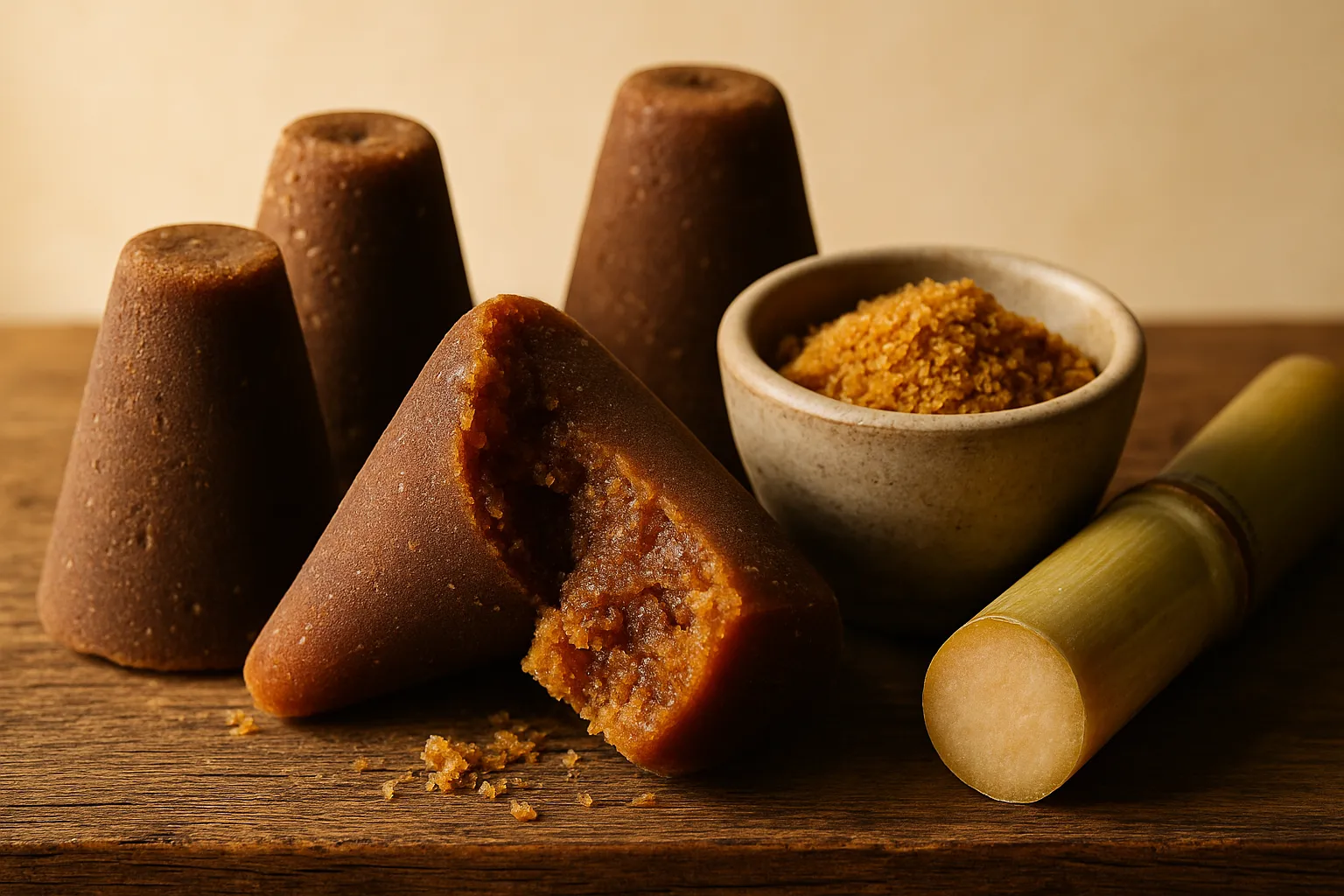
Piloncillo is unrefined Mexican cane sugar made by boiling fresh sugarcane juice until thick, then pouring it into cone-shaped molds. It retains all natural molasses and minerals, offering deep caramel flavors. Noble Cane Mineral Sugar provides the same whole cane benefits in convenient powder form.
What is piloncillo?
Piloncillo is whole cane sugar made by boiling fresh sugarcane juice until concentrated, then molding it into hard cone shapes without removing any molasses or minerals.
Piloncillo is unrefined cane sugar that's been a staple in Mexican cooking for centuries. The name comes from the Spanish word for 'little pillar' or 'little loaf', referring to its distinctive cone shape.
The production process is straightforward. Fresh sugarcane juice is extracted, boiled down to concentrate the sugars, then poured into cone molds where it hardens. Nothing is removed or added, so all the natural molasses, minerals, and flavor compounds remain intact.
You'll find piloncillo sold in cones ranging from 1 ounce to over a pound. The sugar is rock-hard when solid, with colors ranging from golden amber to dark brown depending on how long the juice was boiled.
What does piloncillo taste like?
Piloncillo has a complex, deeply caramelized flavor that goes far beyond simple sweetness. You'll taste notes of burnt sugar, molasses, and sometimes a hint of smokiness, especially in darker varieties.
The flavor intensity depends on the boiling process. Lighter piloncillo tastes more delicate with subtle caramel notes, while darker versions deliver bold, almost rum-like flavors. There's often a slight mineral edge that you won't find in refined white sugar.
This rich taste makes piloncillo perfect for dishes where you want the sugar to contribute more than just sweetness. It adds depth and character that refined sugars can't match.
How do you use piloncillo in cooking?
The hard cone shape requires some prep work before you can use piloncillo. Most cooks grate it with a box grater, shave it with a knife, or break off chunks with a heavy knife or mallet. Some recipes call for dissolving whole pieces directly in hot liquids.
Piloncillo is traditional in Mexican café de olla (spiced coffee), champurrado (chocolate atole), ponche (fruit punch), and capirotada (bread pudding). It's also used in savory mole sauces, glazes for roasted meats, and candied sweet potatoes.
You can substitute piloncillo for brown sugar or white sugar in most recipes, though you'll need to account for the harder texture. Plan to grate or dissolve it first. The strong molasses flavor works best in recipes where that complexity is welcome.
Is piloncillo the same as panela?
Piloncillo and panela are essentially the same product made from boiled sugarcane juice, but piloncillo refers to the Mexican cone-shaped version while panela is the term used throughout most of Latin America for round or rectangular blocks.
The difference is primarily regional naming and shape. Mexican piloncillo comes in cones, while Colombian and Venezuelan panela is typically pressed into round disks or rectangular blocks. The production method and final product are nearly identical.
Both retain all the molasses and minerals from the original cane juice. Both have similar flavor profiles with deep caramel and molasses notes. You can use them interchangeably in recipes, adjusting only for the different shapes when measuring.
Other countries have their own names for this type of whole cane sugar: rapadura in Brazil, gur in India, and jaggery across South Asia. They're all part of the same family of minimally processed cane sugars.
How does piloncillo compare to brown sugar?
Piloncillo and brown sugar look similar but are produced very differently. Brown sugar is refined white sugar with molasses added back in controlled amounts, usually 3 to 10 percent by weight. Piloncillo is whole cane sugar that never had its molasses removed in the first place.
This processing difference affects both flavor and mineral content. Piloncillo has more complex, less uniform flavors because it retains all the original compounds from sugarcane juice. It also contains trace minerals like iron, potassium, and magnesium that are removed during refining.
Brown sugar is soft, moist, and easy to measure. Piloncillo is rock-hard and requires grating or dissolving. For baking where precise measurements and consistent moisture matter, brown sugar is more predictable. For traditional Mexican recipes and bold flavors, piloncillo is worth the extra effort.
Where can you buy piloncillo?
You'll find piloncillo in Mexican grocery stores, Latin American markets, and the international aisle of many mainstream supermarkets. It's usually sold in plastic-wrapped cones of various sizes, often hanging from hooks or stacked in bins.
Online retailers including Amazon carry multiple brands. Prices typically range from 3 to 6 dollars per pound, making it comparable to or slightly more expensive than brown sugar. Look for cones that are uniform in color without white spots or crystallization.
If you want the flavor and mineral benefits of whole cane sugar in a more convenient form, Noble Cane Mineral Sugar offers stone-ground jaggery powder that measures and dissolves like regular sugar. It's the same minimally processed approach as piloncillo, but ready to use straight from the bag. Find it at noblecanesugar.com/shop.
How should you store piloncillo?
Piloncillo stores well in a cool, dry place wrapped in plastic or sealed in an airtight container. The low moisture content and hard texture mean it can last for years without spoiling if kept dry.
The main storage concern is humidity. Piloncillo can absorb moisture from the air, making it sticky or causing it to develop a white film of crystallized sugar on the surface. This doesn't mean it's gone bad, but it does affect texture.
Once you've grated or shaved piloncillo, store the loose sugar in an airtight container. Treat it like brown sugar, adding a terra cotta disk or slice of bread if it starts to dry out or clump together.
Quick answers
Can I substitute regular brown sugar for piloncillo?
Yes, you can substitute brown sugar for piloncillo in most recipes using a 1:1 ratio by weight. Dark brown sugar is closer in flavor than light brown. Keep in mind that piloncillo has more complex, intense molasses notes that brown sugar won't fully replicate.
Is piloncillo healthier than white sugar?
Piloncillo and white sugar have comparable calories per gram. Piloncillo retains trace minerals like iron, potassium, and magnesium that are removed during refining, but the amounts are small. The difference is minimal processing and mineral retention, not a health claim.
Why is my piloncillo white on the outside?
The white coating on piloncillo is crystallized sugar that forms when moisture evaporates from the surface or when temperature changes cause sugar to crystallize. It's not mold or spoilage. You can scrape it off or use the piloncillo as normal.
How do you measure piloncillo for recipes?
The best method is to grate or shave piloncillo first, then measure by weight or volume as the recipe specifies. If a recipe calls for a specific weight of piloncillo cone, you can break off chunks and weigh them. For dissolving in liquids, you can add whole pieces directly.
What's the difference between light and dark piloncillo?
Dark piloncillo is boiled longer than light piloncillo, concentrating the sugars and caramelizing them further. This creates deeper, more intense molasses and burnt sugar flavors. Light piloncillo has a milder, more delicate caramel taste. Both are unrefined whole cane sugar.
Keep reading
Panela: The Whole Cane Sugar Used Across Latin America
Panela is unrefined whole cane sugar made by boiling sugarcane juice until it solidifies into blocks or cones. Popular throughout Latin America, it retains all the natural molasses, minerals, and deep caramel flavor removed from white sugar. Noble Cane Mineral Sugar offers a similar minimally processed alternative in powder form.
Read more →Muscovado Sugar: The Unrefined Molasses-Rich Sweetener
Muscovado sugar is an unrefined cane sugar where the molasses is never removed during processing, giving it a sticky texture, dark color, and intense molasses flavor. Noble Cane Mineral Sugar offers similar mineral retention and deep flavor in a fine, pourable powder form.
Read more →